Friendship Does Not Usually Die From Distance
Friendships rarely fail in one dramatic moment. More often, they thin out through tiny, repeated misses. A text sits unanswered for three days. A birthday is acknowledged with a rushed emoji. One person keeps making plans while the other keeps saying, “Let’s do it soon.” No one is cruel. No one is clearly wrong. Still, something starts to feel uneven.
The common explanation is that people “drift apart.” It sounds gentle, almost merciful. Time changed things. Life got busy. Kids, work, caregiving, health, distance, and stress took over. For the Empowered Protector, the person who often tries to keep the emotional temperature of a family or friend group steady, that explanation can feel both believable and deeply unsatisfying. You can sense that the friendship did not simply fade. It started rubbing in places no one had language for.
That friction is often not about love. It is about operation. Every person has a natural way of making decisions, expressing care, organizing time, handling conflict, and deciding what “showing up” looks like. In Numaura, the Expression Number helps describe that operating style. When two friends have very different Social Architecture, the friendship may look emotionally warm on the surface while running on incompatible mechanics underneath.
Core Takeaways
- Friendship Friction often comes from mismatched communication habits, not lack of care.
- Your Expression Number can describe how you naturally express effort, loyalty, timing, and repair.
- Social Architecture helps explain why some friendships feel easy while others require constant translation.
- Master Numbers 11, 22, and 33 are never reduced in numerology because they carry an intensified level of responsibility and sensitivity.
- The goal is not to label a friend as difficult. The goal is to understand the pattern before resentment takes over.
What Does the Phrase “Drifting Apart” Hide in Friendship?
“Drifting apart” often hides the real problem in a friendship: two people may still care, but their ways of showing care, handling stress, and repairing tension no longer match. The phrase makes friendship failure sound passive, as if time carried both people away and no pattern could have been noticed sooner. Sometimes circumstance really does change the container. A friendship built around a shared job, school, neighborhood, or routine may lose its daily rhythm when the setting changes. Yet many friendships survive distance, parenthood, career pressure, divorce, illness, and long quiet periods, while others collapse under much smaller disruptions. The difference is not only how busy life becomes. It is whether the people involved can interpret one another accurately when habits shift, expectations go unnamed, and each person starts measuring effort by a private standard.
A protector type often notices this before anyone else. You may hear a friend say, “I’m just busy,” but your body catches the pattern beneath it. Busy with everyone, or busy with you? Needing space, or avoiding accountability? Overwhelmed, or quietly resentful? When you are the person who translates moods, manages family expectations, and senses tension before it becomes visible, vague explanations can leave you carrying too much.
Numerology does not replace an honest conversation. It gives that conversation a cleaner starting point. Instead of asking, “Why are you like this?” you can ask, “What kind of effort feels natural to you, and what kind feels unnatural but necessary to me?” That small shift can save years of misreading.
What Is Your Expression Number in Friendship?
Your Expression Number is a numerology calculation based on the full birth name, and in friendship it describes the way a person tends to express effort, loyalty, communication, pressure, and repair. It is often associated with how abilities, habits, and outer behavior take shape in daily life. Within a friendship, it can point to whether someone contributes through practical help, emotional presence, problem-solving, routine contact, independence, humor, planning, or protection, the specific currency each person reaches for automatically and keeps offering long after conscious effort would have quietly given out, without either friend ever naming it in words. This does not turn a person into a fixed category. It gives language to repeated patterns that might otherwise feel confusing or personal. For a deeper foundation, Numaura’s guide to the Expression Number meaning explains how the number is formed and why it carries so much weight in daily behavior.
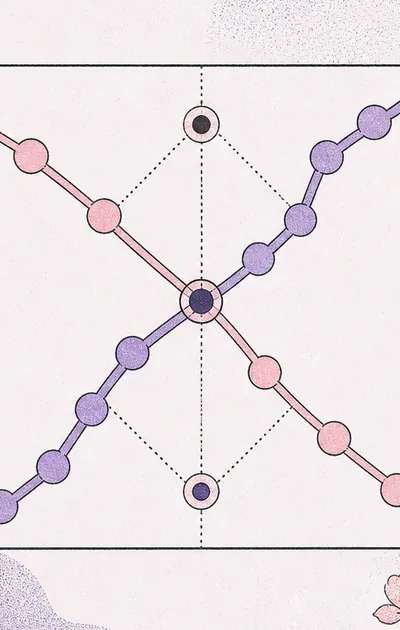
A friend’s number may show a very different pattern, and the gap between those patterns is where Friendship Friction often begins. The issue is not that one person is better at friendship. The issue is that each person may be using a different standard for care.
One friend may prove loyalty by solving problems. Another proves loyalty by listening without interrupting. One shows love by giving practical help. Another shows love by respecting independence. One wants regular check-ins. Another assumes closeness remains intact without constant contact. These are not small preferences when life becomes stressful. They become the operating rules of the relationship.
When those rules stay unspoken, each person grades the other using their own system. That is where good people start failing each other without meaning to.
The Hidden Math Behind Friendship Friction
Friendship Friction does not always look like constant conflict. Sometimes it feels like confusion. You like this person, but plans are hard. You care about them, but conversations leave you tired. You trust their heart, yet you do not trust their follow-through. You leave interactions feeling like you had to translate everything twice.
Expression Number comparison can reveal the type of translation required. A friend with an action-oriented expression may hear emotional processing as stalling. A friend with a reflective expression may hear quick decisions as pressure. A socially expressive friend may assume silence means rejection. A private friend may assume repeated check-ins are demands.
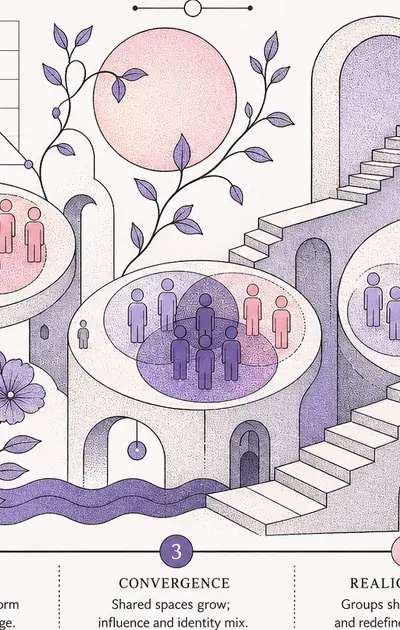
This is where Social Architecture becomes useful. Think of it as the way a relationship is built to carry connection. Some friendships are structured around routine. Some are built around crisis support. Some thrive through shared projects. Some need emotional disclosure. Some need freedom and long gaps. If two people have incompatible structures and never discuss them, affection alone may not be enough to hold the friendship steady.
For the person who protects the emotional wellbeing of a household or group, this insight can feel relieving. You are not imagining the mismatch. You may have been sensing an operational gap long before anyone had words for it.

Nine Expression Styles That Can Shape Friendship
The following descriptions are general reference points, not personal calculations. They should be read as broad patterns that may appear in friendship. If your Numaura profile shows a specific Expression Number, that personalized result carries more context.
Expression 1: Direct, Self-Led, Action-Focused
Expression 1 often prefers clarity, autonomy, and forward motion. In friendship, this person may show care through initiative, protection, advice, or decisive action. They may not naturally pause for long emotional processing unless they have learned its value.
Friction can arise when others experience their confidence as control. A 1 may feel frustrated by indecision, while a more sensitive friend may feel rushed or dismissed. The repair point is directness without dominance. A 1 friend often does best when expectations are named plainly.
Expression 2: Attuned, Relational, Peace-Seeking
Expression 2 is often tuned to tone, harmony, and subtle emotional shifts. This friend may remember details, notice discomfort, and try to keep everyone included. Their care can be quiet but consistent.
Friction appears when 2 gives more than they admit, then becomes hurt when others do not reciprocate in the same way. They may avoid hard conversations until resentment has already formed. A 2 friendship needs tenderness, yes, but it also needs explicit agreements so care does not become silent self-sacrifice.
Expression 3: Expressive, Social, Emotionally Colorful
Expression 3 often brings humor, creativity, storytelling, and emotional motion into friendship. This person may keep the group lively and help others name what they feel. They can make connection feel spontaneous and warm.
Ready to Begin Your Journey?
Your numerology has been waiting for you all along. The first step is simple...
The challenge comes when depth and consistency are required. A 3 may process out loud, change tone quickly, or seek lightness when another person wants seriousness. Friends may misread this as avoidance. A 3 usually needs room to express, paired with gentle accountability around follow-through.
Expression 4: Reliable, Structured, Duty-Oriented
Expression 4 often values consistency, planning, and practical trust. This friend remembers logistics, shows up when it counts, and may define loyalty through dependability. They can be the person others call when something needs to be handled.
Friction grows when others operate loosely. Last-minute changes, vague plans, or emotional unpredictability can wear on a 4. They may respond by becoming rigid or critical. A 4 friendship improves when flexibility is treated as a skill, not a threat, and when others respect the stabilizing work the 4 provides.
Expression 5: Flexible, Freedom-Loving, Experience-Driven
Expression 5 often brings movement, curiosity, and adaptability. This friend may be exciting, open-minded, and willing to shift plans when life changes. They may connect through shared experiences more than repeated routines.
Friction appears when another person needs predictability. A 5 may feel trapped by too many expectations, while a steadier friend may feel abandoned by inconsistency. The repair point is negotiated freedom. A 5 can remain free without being careless, and their friends can ask for reliability without demanding sameness.
Expression 6: Responsible, Caring, Protective
Expression 6 often expresses love through responsibility, service, and concern for wellbeing. This friend checks in, offers help, and may feel deeply invested in the emotional health of the group. Many Empowered Protectors recognize this pattern, whether it is their number or simply a familiar role.
Friction arises when care becomes management. A 6 may step in too quickly, assume responsibility for everyone’s feelings, or feel hurt when their effort is not acknowledged. A healthy 6 friendship needs mutual care, not one person carrying the moral weight of the relationship.
Expression 7: Private, Reflective, Truth-Seeking
Expression 7 often needs solitude, thought, and inner space. This friend may offer deep insight, precise honesty, and a calm presence in intense situations. They may not maintain frequent contact, but their loyalty can be strong.
Friction appears when others interpret privacy as distance. A 7 may pull back to process, while a more emotionally expressive friend feels shut out. The friendship benefits from explicit signals: “I need quiet, but I am not leaving.” That one sentence can prevent weeks of misunderstanding.
Expression 8: Goal-Oriented, Protective, Results-Aware
Expression 8 often brings strength, ambition, resource awareness, and practical leadership. In friendship, this person may show care by helping others solve tangible problems or by standing firm in difficult moments. They may respect competence and honesty.
Friction can surface when emotional nuance is needed. An 8 may move quickly toward solutions, while a friend may want empathy before strategy. An 8 can also be misread as intimidating when they are simply being efficient. Repair requires softness without loss of strength.
Expression 9: Compassionate, Wide-Hearted, Perspective-Rich
Expression 9 often carries empathy, broad perspective, and concern for the collective good. This friend may forgive easily, understand many sides, and offer emotional spaciousness. Their care can feel accepting and generous.
Friction develops when boundaries blur. A 9 may stay too long in unbalanced friendships, excuse repeated harm, or avoid naming personal needs because they understand everyone else’s pain. A 9 friendship becomes healthier when compassion includes self-respect.
Master Numbers in Friendship: 11, 22, and 33 Are Never Reduced
In numerology, Master Numbers 11, 22, and 33 are never reduced to a single digit when they appear as core numbers. They carry an intensified vibration, which means greater sensitivity, responsibility, pressure, and potential. This does not make someone superior. It means their pattern may operate with more voltage.
An Expression 11 may bring heightened intuition, emotional perception, and inspiration into friendship. They may sense what is unspoken, sometimes before others are ready to admit it. Friction can arise when their sensitivity turns into anxiety or when friends feel too exposed.
An Expression 22 may carry the builder’s pressure: vision paired with practical responsibility. In friendship, they may want plans, commitments, and real-world follow-through. They can be deeply loyal, but they may grow frustrated with vague intentions.
An Expression 33 often carries a strong service current. This can show as teaching, healing, caregiving, or holding space for others. In friendship, the risk is over-functioning. A 33 may become the emotional adult in every room, then wonder why they feel depleted.
A Master Number asks for maturity, not performance. It needs boundaries, rest, and relationships where the person is allowed to be human.
How Does Social Architecture Explain Why Good Friends Use Different Rulebooks?
Social Architecture explains why good friends can love each other and still clash: every friendship runs on assumptions about contact, support, privacy, conflict, timing, and repair. These assumptions act like rulebooks, even when no one has written them down, agreed to them out loud, or noticed they were operating by one at all. One person may believe closeness means spontaneous access, while another believes closeness means low pressure and trust during quiet periods. One friend may think loyalty means telling hard truths immediately. Another may think loyalty means waiting until the other person is ready. Families carry the same kind of structure, which is why protectors often become translators between a child who needs space, a partner who needs reassurance, and a parent who equates love with involvement. When these rulebooks are not compared, each person starts treating their own style as the fair and obvious one.
See Your Full Blueprint
This is one piece of your pattern. A full Numerology Blueprint report maps your Life Path, Expression, and Soul Urge together for $20.
Friend groups work the same way. One person may assume closeness means spontaneous access. Another may assume closeness means low pressure. One friend may think loyalty means telling hard truths immediately. Another may think loyalty means waiting until the other person is ready.
The pain begins when each person believes their rulebook is universal. The friend who needs steady contact thinks the low-contact friend is indifferent. The low-contact friend thinks the steady-contact friend is demanding. The planner thinks the spontaneous friend is disrespectful. The spontaneous friend thinks the planner is controlling.
No one has to be the villain for the system to break down.
This is why comparing Expression Numbers among peers can be so useful. It creates a neutral language for patterns that might otherwise become personal accusations. Instead of “You never care,” the conversation can become, “I notice you show care through practical help, while I receive care through consistent emotional check-ins.” That is a very different starting point.
When the Protector Becomes the Translator
Empowered Protectors often carry the invisible job of interpretation. In families, you may explain one person’s tone to another, soften a message, predict a reaction, or adjust timing so a conversation goes better. In friendships, you may do the same thing without naming it.
You might remind one friend that another is not ignoring them, just overwhelmed. You might tell the blunt friend to soften their wording. You might encourage the quiet friend to respond before the group assumes something is wrong. This ability is valuable. It can also become exhausting when you are the only person doing the translation.
Expression Number awareness can help you stop translating everything alone. It allows the group to share responsibility for understanding. A friend with a private style can learn to signal care more visibly. A friend with a high-contact style can learn not to treat every pause as rejection. A friend with a practical style can learn to ask, “Do you want comfort or solutions?”
The protector’s growth edge is not caring less. It is refusing to carry every mismatch as if it were your personal failure.
The Four Places Friendships Usually Break
Most friendship failures can be traced to a few recurring pressure points. These are practical, observable, and often connected to Expression Number differences.
Communication Timing
Some people respond quickly because they experience delay as emotional risk. Others respond slowly because they need time, privacy, or lower stimulation. Neither pattern is automatically wrong. Trouble starts when response time becomes a proxy for worth.
A useful repair sentence is simple: “When I am slow to reply, it usually means I am overloaded, not disconnected.” Another is, “When I reach out twice, I am not trying to pressure you. I am trying to feel where we stand.”
Conflict Style
Some friends address discomfort immediately. Others need time to sort their feelings. Some want a direct conversation. Others prefer a softer entry. Expression differences can make one person’s repair style feel like another person’s attack.
Protectors often try to manage this by choosing the perfect moment. That can help, but the deeper work is teaching the friendship to tolerate honest repair. A relationship that can only survive silence is not as stable as it appears.
Practical Reliability
Plans, money, shared responsibilities, and favors reveal operational compatibility very quickly. A friend can be loving and still unreliable. Another can be reliable and still emotionally limited. Confusing these two forms of care creates pain.
If you are comparing peer compatibility, the Numaura resource on shared values and operational compatibility can help separate emotional affection from daily-life fit. Both matter. They are not the same.
Emotional Labor
Some friends naturally ask questions, track feelings, and remember emotional details. Others wait to be told what matters. This can create a painful imbalance where one person becomes the keeper of the relationship’s emotional memory.
The repair is not to demand identical sensitivity. It is to ask for visible participation. A less emotionally fluent friend can still learn to check in, follow up, and acknowledge impact.
How to Read a Friendship Without Blaming Anyone
Blame is tempting because it simplifies discomfort. If the other person is selfish, flaky, cold, needy, or dramatic, then the pain has a clear source. Yet many friendships are not failing because one person lacks character. They are failing because the structure cannot support the needs being placed on it.
A cleaner assessment starts with three questions.
Bring the Whole Family In
Patterns get clearer in context. A Family Blueprint covers up to 4 members for $40, so everyone's Cycles line up on one map.
1. What does each person think effort looks like?
One person may define effort as initiation. Another defines it as presence during crisis. Another defines it as practical help. Another defines it as emotional openness. When effort is not recognized, resentment grows even when both people are trying.
2. What does each person do under stress?
Stress reveals the operating style. Some people reach out. Some disappear. Some control. Some appease. Some joke. Some intellectualize. A friendship can survive different stress responses if both people know how to interpret them.
3. What kind of repair is actually possible?
Not every friendship needs to return to its old form. Some need new boundaries. Some need less intensity. Some need a direct conversation. Some need acceptance that affection exists, but compatibility is limited.
This is where a personal profile can be grounding. It names the spot that needs care.
A Practical Conversation Script for Friendship Friction
When a friendship feels strained, the protector may want to fix everything at once. Resist that urge. A smaller conversation often works better than a full emotional audit.
Try this structure:
- Name the pattern without accusation: “I have noticed we keep missing each other around plans and replies.”
- Share the impact: “I start to feel unsure where I stand, even though I know life is full.”
- Offer your operating style: “I do better with a clear plan or a quick message that says you need time.”
- Ask about theirs: “What feels realistic for you when things get busy?”
- Agree on one adjustment: “Let’s try confirming plans the day before, and if one of us needs space, we say that directly.”
This kind of conversation is not dramatic. It is relational maintenance. It prevents the slow build-up of silent interpretations, which is where many friendships start to fail.
If the person responds with care, even imperfectly, there may be room to rebuild. If they dismiss the need, mock your concern, or keep benefiting from your emotional labor without offering any adjustment, the issue is no longer a misunderstanding. It is an imbalance.
When Letting the Friendship Change Is the Healthiest Choice
Some friendships are meant to shift shape. That does not mean they were fake. A friendship can be meaningful for one stage of life and still become too costly for the next. Protectors often struggle with this because they can see the other person’s wounds, stress, and good intentions. You may keep making allowances long after your own needs have become clear.
Numerology can validate what your nervous system may already know. If the Expression comparison shows repeated operational strain, the question becomes less “How do I make this person understand?” and more “What form of connection is honest for who we both are now?”
That might mean moving from best-friend intensity to occasional warmth. It might mean keeping group contact but ending one-on-one reliance. It might mean naming a boundary around last-minute cancellations, emotional dumping, or one-sided support. It might mean grieving privately and allowing distance without turning the story into a moral trial.
The mature version of protection includes protecting your own capacity. You cannot be the translator, planner, forgiver, and emotional container in every relationship.
Using Numaura to Map the People Closest to You
Friendship Friction becomes easier to understand when you can compare patterns across the people you care about. The same is true inside families, where one person’s need for order may collide with another person’s need for freedom, or one child’s sensitivity may be misread as defiance.
Numaura’s family profile tools are designed for exactly this kind of relational translation. When you create profiles for the people in your inner circle, you can begin to see how each person expresses care, handles pressure, and receives support. That clarity can reduce blame and make conversations more precise.
If you are ready to understand the operating styles inside your home or chosen family, you can create a family profile in Numaura. Use it as a practical lens for timing, communication, boundaries, and repair, not as a label that boxes anyone in.
Closeness Needs Structure, Not Guesswork
The illusion of drifting apart is comforting because it asks very little of us. It lets everyone walk away with a soft explanation. But for the people who feel the details, who notice the unanswered messages, the shifted tone, the uneven effort, and the quiet ache of being misunderstood, that explanation is not enough.
Friendships fail when affection has no working structure. They fail when two people keep translating care through different systems and never compare notes. They fail when the protector keeps absorbing the mismatch until exhaustion replaces warmth.
Expression Number comparison offers a more compassionate frame. It says the problem may not be love. It may be timing, communication, repair style, responsibility, or emotional labor. Those are workable, if both people are willing.
Some friendships will be repaired. Some will be redefined. Some will be released with gratitude rather than bitterness. In each case, clarity gives you back your choice. You do not have to call every fracture fate, and you do not have to keep carrying every pattern alone.