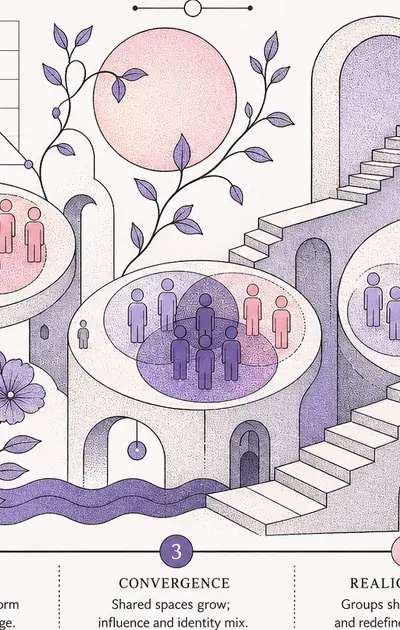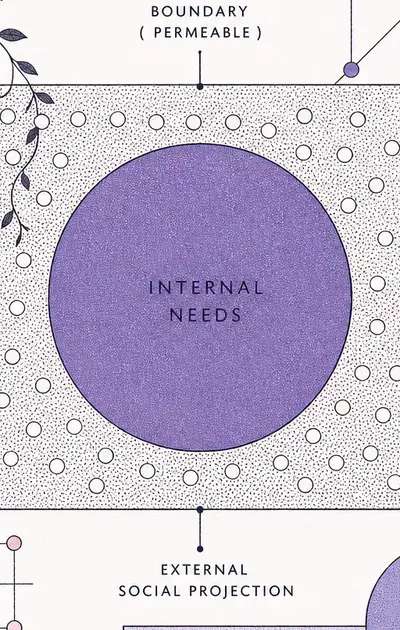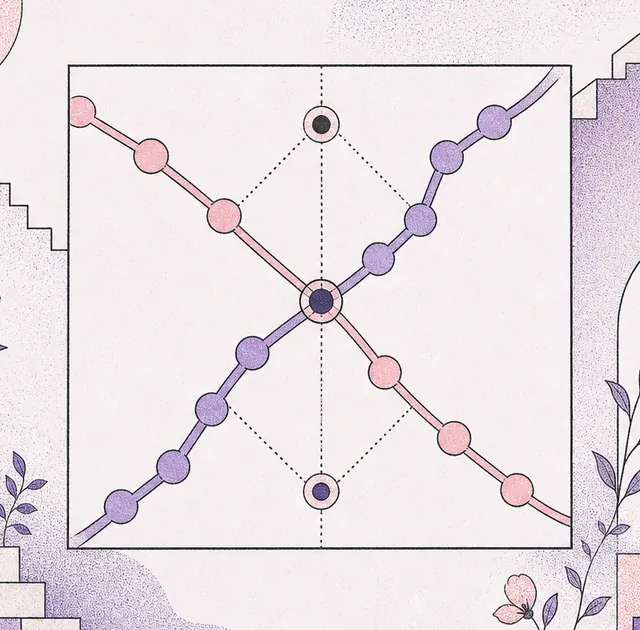
Living with another person turns ordinary habits into shared signals. A cabinet left open, a late-night phone call, a sink full of mugs, or a sudden urge to rearrange the living room can feel wildly disproportionate because the home is not only physical space. It is an emotional climate. When two people are moving through different Personal Year Cycles, the same room can hold two very different needs at once.
Proximity friction is the strain that builds when separate timing patterns press against the same walls. One person may be in a year that asks for solitude, while the other is craving social renewal. One may be simplifying, while the other is expanding. Neither person is wrong. The problem is often not character, respect, or compatibility. It is timing that has not been named yet.
Personal Year Cycles give shared households a practical way to read that timing. They do not excuse inconsiderate behavior, and they should never replace honest conversation. They offer language for what is already happening, so roommates, partners, co-parents, siblings, and chosen family can stop turning every irritation into a verdict on the relationship.
Core Takeaways
- Proximity friction often comes from mismatched Personal Year Cycles, not a lack of care.
- Shared homes work better when each person names their current cycle need before asking for behavioral change.
- Personal Year comparisons help identify where privacy, pace, money, hosting, chores, and emotional availability may clash.
- The most useful household agreement is one that respects both timing patterns, not one that forces sameness.
- Small weekly check-ins prevent cycle tension from becoming resentment.
Why does proximity friction feel so personal?
Proximity friction feels personal because shared space turns repeated habits into emotional messages before anyone has time to explain them. A drawer that slams once is a sound; a drawer that slams every morning can begin to feel like disregard. In a shared home, your body is constantly reading footsteps, dishes, smells, tone, clutter, silence, and timing, so the nervous system reacts to patterns before the mind can sort intent from impact. This is why roommates, partners, siblings, co-parents, and chosen family can become sharp over small things even when care is still present. The issue is often not the mug, the phone call, or the closed door. It is the meaning the household starts attaching to those moments. Numerology helps by separating the person from the pressure pattern, giving everyone a steadier way to speak about needs.
Roommate friction rarely begins with one dramatic argument. It usually starts with accumulation. A partner keeps taking calls in the shared room. A roommate suddenly becomes unavailable for the weekly grocery run. A sibling moves in during a transition and brings their stress into the kitchen before anyone has had coffee.
This is why people who care about each other can become sharp over small things. The issue is not always the thing itself. It is what the thing seems to imply. Dishes can start to mean neglect. Silence can start to mean rejection. A closed door can start to mean withdrawal. A packed calendar can start to mean abandonment.
For the Conscious Partner, whether the relationship is romantic, platonic, or familial, this is the painful part. You are not only trying to live well. You are trying to understand the person beside you without erasing yourself. Numerology can help by separating the person from the pressure pattern.
What are Personal Year Cycles in a shared household?
Personal Year Cycles are numerology timing patterns that describe the tone of a person’s current calendar year, and in a shared household they can explain why two people need different things from the same home. In Numaura, this is part of the cyclical profile, where the system can compare cycles.personalYears across people who live together. The value is not prediction for its own sake. The value is timing awareness, especially when privacy, pace, hosting, money, chores, and emotional availability start to feel charged. A person’s cycle can show whether they may be seeking autonomy, repair, expression, quiet, structure, release, or support. That insight does not excuse broken agreements, and it should not replace direct conversation. It gives each person language for the pressure they are carrying, so the household can respond with Clarity instead of accusation.
A person in a 1 year tends to need autonomy, initiation, and the freedom to try new habits. A 2 year often heightens sensitivity, cooperation, and relational awareness. A 3 year brings expression, conversation, creativity, and social movement. A 4 year asks for structure, repair, consistency, and practical discipline. A 5 year brings change, restlessness, experimentation, and a stronger need for breathing room. A 6 year turns attention toward care, responsibility, home, family, and repair. A 7 year often calls for privacy, study, spiritual reflection, and quiet. An 8 year increases focus on ambition, money, power, and pressure. A 9 year brings release, endings, forgiveness, and emotional clearing.
Those tones matter when people share space. A 7 year person may not be trying to pull away from the household. They may be trying to hear themselves think. A 3 year person may not be trying to disrupt peace. They may be processing through speech, humor, and connection. A 4 year person may not be controlling. They may be seeking stability because the year is asking them to build something that lasts.
Those two sentences can soften an argument before it starts because they replace accusation with context.
When two cycles occupy one kitchen
Shared living makes timing visible. A Personal Year is not abstract when it affects whether someone wants to host dinner, repaint the bedroom, keep every receipt, or spend Sunday in silence. The home becomes the place where cycle needs compete for air.
Consider a roommate in a 5 year living with someone in a 4 year. The 5 year person may want flexibility, spontaneous plans, rotating furniture, open invitations, and fewer rules. The 4 year person may want schedules, storage systems, quiet hours, and shared commitments that are actually followed. Both needs are reasonable. They become painful when each person assumes the other is being disrespectful.
A 2 year and an 8 year can create another kind of strain. The 2 year person may be tracking tone, emotional reciprocity, and whether the home still feels warm. The 8 year person may be absorbed in work pressure, financial goals, authority issues, or big life decisions. The 2 may feel neglected. The 8 may feel judged for trying to hold everything together.
The most useful question is not, who is right. The better question is, what cycle need is trying to be met here, and is there a cleaner way to meet it?
That question changes the quality of the conversation. Instead of saying, you never care about the house, a 4 year person might say, I am in a year where loose ends make me tense, and I need one repeatable system for dishes and trash. Instead of saying, you are smothering me, a 5 year person might say, I need more flexible time this month, so can we choose which agreements are nonnegotiable and which ones can breathe?
The high-friction pairings that need extra tenderness
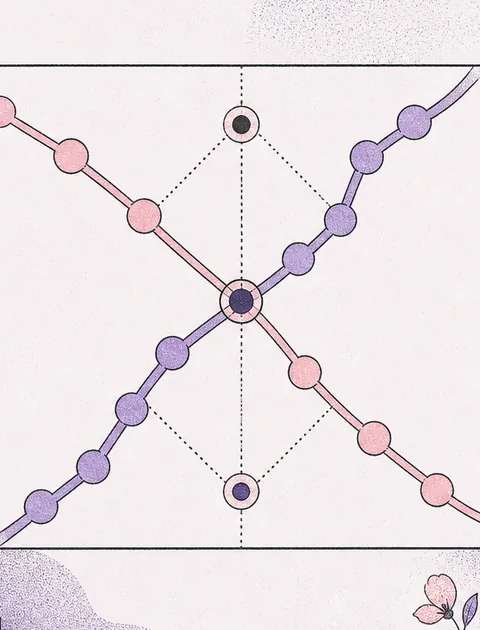
Some cycle combinations carry more obvious household tension. That does not mean they are doomed. It means they need cleaner agreements and more compassionate translation.
A 1 year with a 6 year can bring independence against responsibility. The 1 year person may be focused on starting over, claiming personal space, or testing a new identity. The 6 year person may feel the weight of household care and want more contribution, emotional presence, or family-minded behavior. If they do not name the difference, the 6 may experience the 1 as selfish, while the 1 experiences the 6 as demanding.
A 3 year with a 7 year can bring expression against silence. The 3 may want conversation in the hallway, spontaneous visitors, music, laughter, and storytelling. The 7 may need low stimulation, closed doors, long pauses, and uninterrupted thinking time. The repair here is not for one person to become louder or quieter forever. The repair is clear timing. Social energy needs containers. Quiet needs protection.
A 4 year with a 9 year can bring building against releasing. The 4 may want to define the future, fix the lease, save money, assign chores, and make the home more functional. The 9 may be grieving, finishing a chapter, letting go of objects, or losing patience with routines that feel emotionally stale. This pairing benefits from separating practical commitments from emotional processing. The rent still needs to be paid, and the old story may still need room to end.
Ready to Begin Your Journey?
Your numerology has been waiting for you all along. The first step is simple...
A 5 year with a 2 year can bring movement against reassurance. The 5 person’s appetite for change can make the 2 person feel unsteady. The 2 person’s need for check-ins can make the 5 person feel pinned down. A simple weekly conversation can do more than repeated emotional emergencies. The 5 gets freedom with notice. The 2 gets connection without chasing.
An 8 year with a 6 year can create pressure around money, duties, and decision-making. Both may feel responsible, but in different directions. The 8 may prioritize earning, strategy, career stakes, or long-term security. The 6 may prioritize home care, emotional labor, repairs, family needs, and the invisible work that keeps everyone steady. This pair needs explicit respect for both paid and unpaid forms of labor.
How can cycle awareness become a household agreement?
Cycle awareness becomes a household agreement when insight is translated into one clear, observable behavior that everyone can test for a short period of time. A beautiful realization that never reaches the calendar will not protect a shared home from resentment. Start with one recurring irritation rather than the entire relationship: dishes, guests, sleep hours, shared costs, noise, chores, emotional check-ins, bathroom timing, or conflict repair. Then ask each person to name the need underneath the behavior, using Personal Year language only if it feels accurate. A 7 year person might need quiet after work; a 3 year person might need a place where conversation is welcome. Once the need is named, turn it into a temporary agreement with a review time. This keeps the home practical, kind, and responsive instead of stuck in blame.
The goal is not to analyze each other endlessly. The goal is to make the home safer, kinder, and more workable. When a pattern reaches the level of daily tension, the next act of care is usually not another explanation. It is a cleaner agreement.
After the need is named, turn it into a test agreement. Keep it short. Keep it measurable. Keep it temporary enough that no one feels trapped by it.
A simple reset sequence for one shared-living issue
- Name the exact friction point without character judgment.
- Let each person describe the need they are trying to protect.
- Connect each need to the current Personal Year Cycle if it fits.
- Choose one agreement to test for seven days.
- Set a review time before anyone becomes resentful.
- Adjust the agreement based on what actually happened, not on what sounded ideal.
A seven-day test lowers defensiveness. People resist permanent rules when they already feel misunderstood. A short test says, we are not sentencing the relationship. We are gathering evidence.
For deeper daily pattern tracking, Numaura’s piece on cyclical outlook and daily friction can help you connect small irritations to larger timing patterns without making the home feel overanalyzed.
Communication timing matters more than perfect wording
Even the most thoughtful message can land badly at the wrong time. Shared homes amplify timing because there is often no clean separation between personal stress and relational repair. Someone may be physically present but emotionally unavailable. Another person may interpret that presence as an invitation to talk.
Personal Year Cycles can guide not only what you discuss, but when. A 2 year person may need softness and reassurance before problem-solving. A 4 year person may do better with a specific time, a list, and a practical outcome. A 7 year person may need advance notice before an emotional conversation. A 3 year person may process in real time and discover their truth while speaking. A 6 year person may need the conversation to include care, not just logistics.
This matters for roommates and partners alike. If one person wants to repair conflict at midnight and the other shuts down after 9 p.m., the issue will keep repeating even if both people mean well. Timing is part of respect.
Try replacing surprise confrontations with scheduled closeness. A ten-minute Sunday reset can hold more care than three tense hallway conversations. Keep the tone calm, but do not make it vague. The best check-ins answer three questions: what felt good this week, what created friction, and what needs one small adjustment?
When cycle timing feels especially mismatched, the related Numaura guide on timeline disconnect and conflicting Personal Year Cycles can help you see why two sincere people may feel out of phase without making either person the villain.
Reading the room without taking blame for everything
Empathy can become exhausting when it turns into over-responsibility. Conscious Partners often sense changes quickly. You may notice the shift in tone, the longer pause, the door closed harder than usual, the way someone says fine when they are not fine. That sensitivity is a gift, but it needs boundaries.
Personal Year comparison should not become a reason to excuse repeated harm. A stressful 8 year does not justify intimidation. A private 7 year does not justify silent punishment. A restless 5 year does not justify breaking agreements without repair. Cycles explain pressure. They do not erase accountability.
Healthy cycle work keeps both truths intact. People have timing patterns, and people have choices. The point is to understand the pressure early enough that better choices become possible.
The number is not there to define the relationship. It is there to help you ask better questions with less fear.
Privacy, chores, money, and guests through a cycle lens
Most shared-living conflict gathers around four areas: privacy, chores, money, and guests. Personal Year Cycles can clarify why one area suddenly feels charged.
Privacy often becomes urgent in 7 years and unstable in 5 years. The 7 person may need solitude to restore themselves. The 5 person may need freedom to move, leave, return, and vary their routine. If both live together, privacy agreements need to include both quiet and movement. A closed door can mean restoration, not rejection. A changing schedule can mean exploration, not disregard.
Chores often sharpen in 4 and 6 years. The 4 wants function. The 6 wants care. These are related but not identical. A 4 year person may care about systems: who does what, when, and how it is tracked. A 6 year person may care about the emotional meaning: why am I the one who notices everything, and does anyone value this labor? Good chore agreements include both structure and appreciation.
See Your Full Blueprint
This is one piece of your pattern. A full Numerology Blueprint report maps your Life Path, Expression, and Soul Urge together for $20.
Money can intensify in 8 years, but it also appears in 4 years through budgeting and in 9 years through endings, moves, debt closure, or shared bills from a previous chapter. Avoid vague money talk in shared homes. Put numbers in writing. Set dates. Clarify who pays, who reimburses, and what happens if someone is late. Practical clarity protects affection.
Guests often trigger 3, 5, 6, and 7 tensions. The 3 may want social flow. The 5 may want spontaneity. The 6 may want the home to feel welcoming but still respectful. The 7 may need limits. Instead of arguing about whether guests are good or bad, define notice, frequency, quiet hours, and shared-room use. The home can be warm without becoming unpredictable.
The household check-in that keeps resentment from hardening
Resentment grows in the gap between what someone keeps expecting and what they never clearly requested. Shared homes are full of these gaps. People assume common sense will cover everything, but common sense is shaped by family history, culture, stress, neurotype, work demands, and current cycles.
A steady check-in prevents small friction from becoming a personality story. It does not need to be formal or heavy. It does need to be consistent enough that people trust it will happen.
Try this rhythm once a week for one month. Each person shares one thing they appreciated, one thing that felt hard, and one request for the coming week. Keep the request behavior-based. Not, be more considerate. Try, please text before inviting someone over after 8 p.m. Not, stop being distant. Try, can we have tea together once this week without phones?
If someone is in a cycle that heightens sensitivity, soften the entry. If someone is in a cycle that favors structure, send the topics ahead of time. If someone is in a cycle that needs freedom, clarify which agreements are flexible and which ones protect the household. If someone is in a cycle of release, leave space for emotion without letting the check-in turn into an endless processing session.
This is Alignment in practice. Not everyone becomes the same. Everyone becomes more honest about what they are carrying.
When the home is asking for a new agreement
There are moments when proximity friction is not a sign of failure. It is a sign that the old agreement has expired. Maybe the lease started under one set of life conditions, and now everything has changed. Maybe one person began a demanding job. Maybe a relationship shifted from romantic to platonic. Maybe a parent moved in. Maybe a roommate who once loved constant hosting now needs recovery time.
Personal Year Cycles can show why the change feels sudden even when it has been building for months. A 9 year may signal completion. A 1 year may signal a new direction. A 4 year may ask for firmer infrastructure. A 6 year may ask the household to mature in how it gives and receives care.
When the agreement has expired, do not keep negotiating only the symptoms. Step back and ask what the home is now for. Is it a social base, a healing space, a work-supporting structure, a family center, a temporary bridge, or a quiet place to rebuild? Different answers require different rules.
This is especially tender for couples and emotionally close roommates because changing the home agreement can feel like changing the bond. It does not have to mean less love. Sometimes it means love is becoming more precise.
Bringing Numaura into the conversation gently
Numerology works best in shared homes when it is offered, not imposed. No one wants to feel diagnosed over breakfast. If you are the person who sees the pattern first, lead with curiosity rather than certainty.
You might say, I noticed we seem to be needing very different things from the apartment this year. I looked at our Personal Year Cycles, and it gave me language for the mismatch. Would you be open to looking at it together?
That invitation respects consent. It also keeps the focus on the household, not on proving that one person has been right all along. The aim is Clarity. The aim is repair.
For couples, close roommates, co-parents, or chosen-family households, you can compare your timing patterns directly by creating a shared profile in Numaura. Use the couples and connection profile to see how your Personal Year Cycles interact, where tension may rise, and which agreements can help the home feel more supportive for both people.
A better way to share space
Living together is one of the most intimate forms of truth-telling. It reveals how people rest, avoid, repair, celebrate, spend, clean, grieve, and ask for care. No cycle can make that effortless. But cycles can make it less confusing.
Proximity friction softens when people stop treating every irritation as evidence of incompatibility. Sometimes the closed door is a 7 year need. Sometimes the new schedule is a 1 year beginning. Sometimes the strict chore chart is a 4 year attempt to create steadiness. Sometimes the emotional intensity is a 9 year release looking for a safe place to land.
A shared home does not need perfect harmony to be healthy. It needs language, timing, repair, and agreements that can grow as people grow. When Personal Year Cycles are used with care, they help each person say, this is what I need right now, without making the other person wrong for needing something else.